
Introduction to Petanque in Makassar
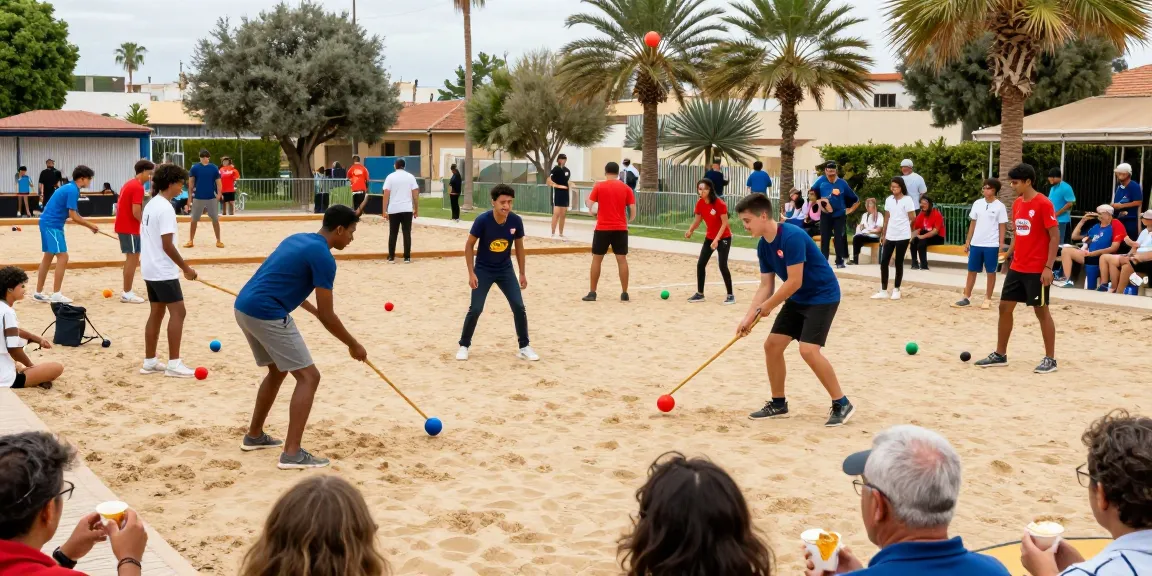
Petanque, a sport with origins steeped in French culture, has gradually carved out a distinctive place for itself in Indonesia, particularly in the vibrant city of Makassar. This traditional form of boules is more than just a pastime; it fosters community spirit, promotes physical activity, and nurtures competitive excellence among enthusiasts. As we delve into the local landscape of petanque, we’ll explore how the FOPI Kota Makassar is pivotal in driving growth and engagement in this sport. For comprehensive insights about petanque in Makassar, visit fopikotamakassar.org.
The Growth of Petanque in Indonesia
The history of petanque in Indonesia is relatively recent, having been brought to the archipelago by French expatriates who introduced the game in hospitality venues and educational institutions. Initially spotted in high-end hotels like the Novotel in Lombok and the Horizon in Ancol, the sport began to gain traction among expatriates. The gradual awareness and interest among local communities laid the groundwork for a burgeoning enthusiast base. However, it wasn't until the 2011 SEA Games that petanque was recognized on a national level, helping to legitimize its presence and establish formal organizations to support its development.
FOPI Kota Makassar's Role in Development
The Federasi Olahraga Petanque Indonesia (FOPI) Kota Makassar has been instrumental in cultivating the sport within the region. Operating under the auspices of the FOPI Provinsi Sulawesi Selatan and affiliated with KONI Kota Makassar, FOPI serves as the organizing body responsible for the promotion, coaching, and management of petanque activities. Their efforts have included building facilities, training coaches, and coordinating competitions, which are essential for fostering a vibrant sports community.
Community Engagement and Activities
FOPI Kota Makassar hosts various community events aimed at elevating interest in petanque. These range from leisure play sessions for families to organized tournaments that attract local and regional competitors. The organization emphasizes grassroots initiatives, encouraging schools and local clubs to incorporate petanque into their physical education programs. By fostering a culture of participation, FOPI aims to enhance the sport's visibility and accessibility, ultimately drawing in new players from diverse backgrounds.
Understanding the Basics of Petanque
Rules and Gameplay Mechanics
Petanque is played on a gravel surface with players throwing metal balls (boules) towards a smaller target ball called the cochonnet. Each player or team aims to place their boules as close as possible to the cochonnet to score points. The game can be played in singles, doubles, or triples formats, making it versatile for various group sizes. The simplicity of the rules makes it easy for newcomers to pick up, while the strategic depth offers an engaging challenge for more seasoned players.
Essential Equipment and Setup
To get started with petanque, you will need the following equipment:
- Balls (Boules): Typically made of steel, the standard weight is about 700 grams.
- Cochonnet: A smaller wooden ball that serves as the target.
- Measuring Tape: Useful for determining which boule is closest to the cochonnet.
- Gravel or Sand Surface: An appropriate playing area can be created in parks or backyards.
Beginner Tips for New Players
For those new to petanque, consider the following tips to enhance your gameplay:
- Practice Regularly: Familiarity with your boules and the playing surface will improve your accuracy.
- Observe Experienced Players: Watching skilled players can provide insights into strategies and techniques.
- Communicate with Your Team: If playing doubles or triples, coordination with teammates can significantly enhance your chances of winning.
- Stay Relaxed: A relaxed grip and posture can improve your throw accuracy and consistency.
FOPI Kota Makassar: Key Initiatives
Training Programs and Competitions
FOPI Kota Makassar conducts regular training sessions aimed at players of all skill levels. These programs not only teach the fundamental skills of petanque but also provide advanced strategies for competing at higher levels. The organization hosts several competitions throughout the year, giving players the opportunity to test their skills and gain valuable experience. In 2023, FOPI plans to introduce more structured leagues to encourage ongoing participation and rivalries among local clubs.
Partnerships with Local Organizations
To further amplify the reach of petanque, FOPI has formed partnerships with local schools, community centers, and sports organizations. These collaborations provide access to facilities and resources, making petanque more accessible to a younger audience. Schools that participate in the program are equipped with the necessary tools and training to incorporate petanque into their athletic offerings, enriching the physical education curriculum.
Upcoming Events and Tournaments
FOPI Kota Makassar is actively planning a series of events for 2026, including regional championships and friendly matches with other provinces. These events aim to not only showcase local talent but also build camaraderie among players from different areas. Keeping the community engaged through tournaments helps foster a competitive spirit while also celebrating the sport's cultural significance.
The Future of Petanque in Makassar
Emerging Trends in Recreational Sports
The rising trend of recreational sports, driven by health and well-being awareness, indicates a promising future for petanque in Makassar. As more people seek social and physical activities that are enjoyable yet low-impact, petanque fits perfectly into this niche. Additionally, the easy-to-learn nature of the game makes it appealing to all age groups, further broadening its potential participant base.
Impact of Youth Programs on Participation
Youth engagement in sports is crucial for long-term sustainability, and FOPI Kota Makassar is dedicated to fostering this participation through targeted programs. By introducing petanque to schools and youth clubs, FOPI aims to create a new generation of players who are passionate about the sport. The success of these initiatives will likely reflect in increased participation rates and a deeper community connection to petanque.
Advancements in Sports Facilities and Training
As the demand for petanque grows, so does the need for improved facilities. FOPI is actively working to secure funding and partnerships to develop dedicated petanque courts throughout Makassar. These facilities will not only provide a place for practice and play but also serve as community hubs where players can gather, share experiences, and promote the sport. Enhanced training programs, supported by expert coaches and state-of-the-art facilities, will be vital in nurturing local talent and preparing them for competitive challenges ahead.
Frequently Asked Questions About Petanque
How can I get involved with FOPI Kota Makassar?
Getting involved is straightforward—attend a local petanque event, sign up for training sessions, or join community initiatives through FOPI. You'll find a welcoming network of enthusiasts eager to share their love for the game.
What are the health benefits of playing petanque?
Playing petanque provides various health benefits, including improved hand-eye coordination, balance, and social interaction. The moderate physical activity involved can aid in enhancing overall fitness while having fun.
Can I find petanque courts in public spaces?
Currently, several community areas and parks in Makassar are being developed to include petanque courts, making it easier for the public to access and enjoy the sport.
What age groups are welcome to play petanque?
Petanque is inclusive, welcoming players of all ages. Many clubs offer programs specifically designed for children, teens, and seniors, promoting intergenerational play.
How does FOPI support new players?
FOPI provides training, resources, and mentorship for new players. They aim to create a supportive environment that encourages learning and participation at all levels.