
Understanding Petanque and Its Growth in Indonesia
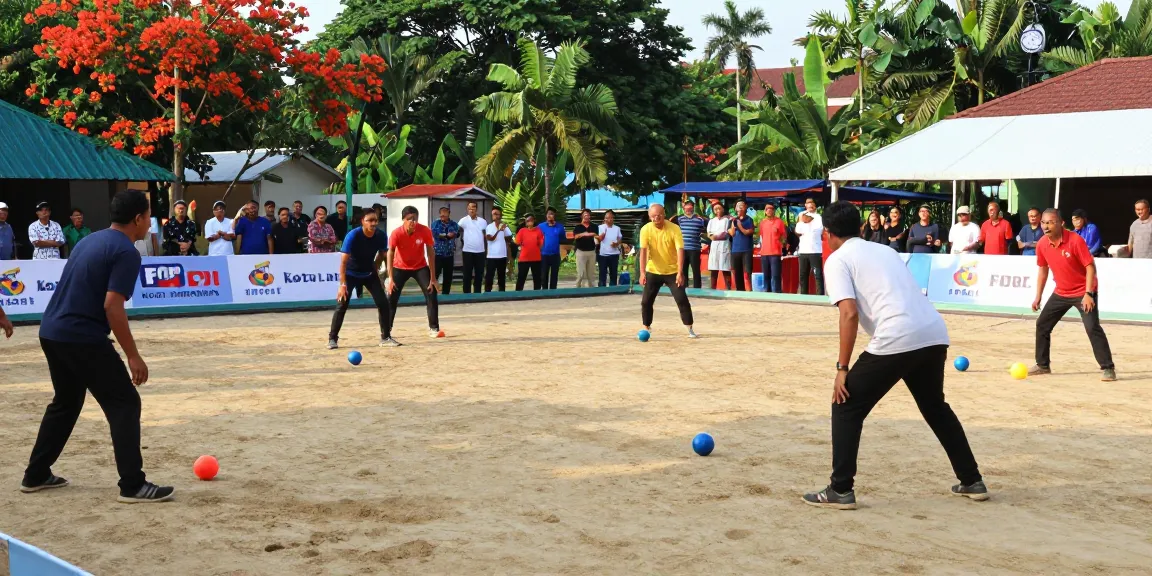
Petanque, a popular sport originating from France, has seen significant growth and interest in Indonesia over the years. This game combines precision and strategy and is played by throwing metal balls as close as possible to a small wooden ball known as the "cochonnet." Initially introduced by French expatriates as a leisure activity, petanque has evolved into a competitive sport, particularly through dedicated organizations like the fopikotatarakan.org. FOPI Kota Tarakan plays a crucial role in fostering this growth, organizing events and promoting the sport throughout the region.
What is Petanque and Its Origin?
Petanque is a form of boules where players aim to throw their metal boule as close as possible to the cochonnet, the target ball. The game requires not only physical skill but also tactical thinking and is suitable for all ages. Originating in Provence, France, in the early 20th century, petanque has since spread worldwide, often adopted by expatriates seeking to recreate a piece of their culture abroad.
The History of Petanque in Indonesia
The introduction of petanque in Indonesia can be traced back to the presence of French expatriates in major cities like Jakarta, Yogyakarta, and Bali. These individuals brought the sport along with them, establishing facilities that catered to both locals and fellow expatriates. However, it wasn't until the 1990s that the sport began to gain a foothold in Indonesia, as evidenced by the experiences of pioneers like Eddie Lim, who learned the game in Ancol, Jakarta. By 2011, with Indonesia hosting the SEA Games, petanque was officially recognized, marking a pivotal moment for its development in the country.
Key Milestones for FOPI Kota Tarakan
FOPI Kota Tarakan was established under the auspices of FOPI Provinsi Kalimantan Utara and serves as a vital organization for the promotion and development of petanque in the region. Since its formation in 2011, FOPI Kota Tarakan has achieved several milestones, including the organization of local tournaments, training programs for athletes, and outreach efforts to increase the sport's visibility and participation among the youth.
The Role of FOPI Kota Tarakan in Petanque Development
FOPI Kota Tarakan's primary mission is to nurture and advance the sport of petanque at both grassroots and competitive levels. This organization plays a multifaceted role that includes governance, athlete support, community outreach, and event management.
Official Functions and Responsibilities of FOPI
As the official body governing petanque in Kota Tarakan, FOPI is responsible for setting rules, organizing competitions, and developing programs that facilitate the growth of the sport. These responsibilities also extend to coordinating with national and international federations to ensure that local athletes receive proper training and exposure.
Community Programs and Engagement Strategies
FOPI Kota Tarakan has implemented various community programs aimed at raising awareness of petanque. These include workshops, school programs, and friendly matches that invite local residents to participate and learn about the sport. By fostering a welcoming environment, FOPI encourages more individuals to take up petanque and develop their skills.
Performance and Development Initiatives for Athletes
The organization prioritizes the identification and nurturing of talented athletes through structured training programs. This includes coaching clinics led by experienced players, strategic training sessions, and participation in regional competitions. By investing in athlete development, FOPI aims not only to create champions but also to cultivate a sustainable petanque community.
Challenges Facing Petanque in Indonesia
Despite the progress made, petanque in Indonesia faces several challenges that hinder its growth and popularity. Understanding these obstacles is crucial for both FOPI and the enthusiasts seeking to enhance the sport's profile.
Limited Awareness and Participation
One of the primary challenges is the limited awareness of petanque among the general population. Unlike more mainstream sports, petanque has yet to capture widespread interest, resulting in lower participation levels. Overcoming this challenge requires targeted marketing and educational initiatives to inform potential players about the sport's enjoyment and health benefits.
Comparative Analysis with Other Sports
Petanque competes with numerous sports in Indonesia, many of which have more established fan bases and support systems. Compared to sports like badminton or soccer, petanque lacks the visibility and recognition that come from media coverage and public events. Bridging this gap will be essential for developing petanque as a recognized sport across the nation.
Infrastructure and Facilities Issues
Another significant challenge is the availability of suitable infrastructure and facilities for practicing petanque. While some areas have dedicated courts, many regions lack appropriate venues, making it difficult for enthusiasts to engage regularly. Collaboration with local governments and private entities can help establish more facilities and resources for the sport.
Future Trends for Petanque and FOPI Kota Tarakan
The future of petanque in Indonesia looks promising, particularly with the continued efforts from organizations like FOPI Kota Tarakan. As the sport gains traction, various trends are expected to emerge, shaping its growth trajectory.
Emerging Technologies in Sports Training
Advancements in technology are set to revolutionize how athletes train and enhance their skills. From video analysis tools to virtual coaching platforms, these technologies can provide athletes with in-depth performance feedback and help them refine their techniques. FOPI aims to stay at the forefront of these trends by integrating technology into training programs.
Increased Community Involvement and Youth Programs
FOPI Kota Tarakan is focused on increasing youth engagement through schools and community centers. By introducing petanque to young audiences, the organization hopes to foster a new generation of players who can carry the sport forward. There is a growing recognition of the importance of community programs that engage children and families alike.
Predictions for Petanque's Popularity by 2026
With strategic initiatives in place, petanque in Indonesia is poised for growth. By 2026, we can expect a significant increase in both participation and visibility. Enhanced training programs, community involvement, and recognition in media can drive a brighter future for this captivating sport. FOPI Kota Tarakan will continue to spearhead these efforts, setting the stage for success and sustainability in the years to come.
Frequently Asked Questions About Petanque
What Makes Petanque Unique Compared to Other Sports?
Petanque stands out for its simplicity and accessibility. Players of all ages and skill levels can participate, making it a community-friendly sport that emphasizes social interaction and strategic thinking.
How Can I Get Involved with FOPI Kota Tarakan?
Individuals interested in getting involved can reach out to FOPI through their official website or social media platforms. Participation in local events, coaching clinics, and casual play sessions are great ways to start.
What Events Does FOPI Organize Throughout the Year?
FOPI organizes a variety of events, including local tournaments, workshops, and community outreach programs. These events are designed to engage players and promote the sport to wider audiences.
What are the Health Benefits of Playing Petanque?
Playing petanque offers numerous health benefits, including improved coordination, social interaction, stress relief, and physical fitness. It promotes mental agility as players strategize and plan their moves.
How Does Petanque Foster Community Spirit?
Petanque is inherently a social game, often played in leisure settings that encourage camaraderie. By bringing people together, it fosters relationships and creates a sense of belonging within communities.