
Introduction to Petanque in Indonesia
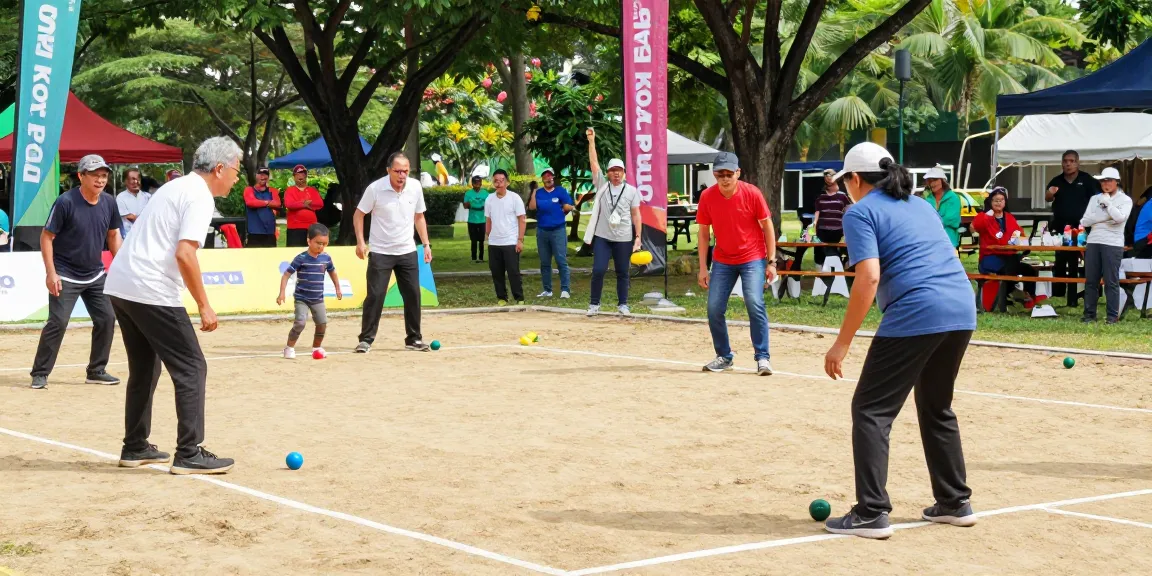
Petanque, a game originating from France, has seen a gradual rise in popularity across the globe, and Indonesia is no exception. With its unique blend of strategy, skill, and social interaction, petanque has garnered a diverse following in various regions, particularly in urban areas. The Federasi Olahraga Petanque Indonesia (FOPI) Kota Palu plays a crucial role in nurturing and promoting this sport within the local community. By focusing on development and organization, FOPI Kota Palu serves as a pivotal body for enthusiasts and aspiring athletes alike. For more insights into the activities and events organized by FOPI Kota Palu, you can visit fopikotapalu.org.
History of Petanque in Indonesia
The introduction of petanque in Indonesia traces back to the influence of French expatriates who established the sport in several tourist destinations. Although the exact timeline remains ambiguous, places like Jakarta and Bali became early hubs where petanque facilities were created, often associated with French-managed hotels. It is a testament to the cultural exchange that has allowed this sport to thrive even beyond its origins.
In the 1990s, notable figures such as Eddie Lim, who learned the game in Ancol, Jakarta, played a pivotal role in bringing petanque to Singapore, further spreading interest in Southeast Asia. However, it wasn't until Indonesia hosted the SEA Games in 2011 that petanque gained official recognition as a competitive sport in the region.
FOPI Kota Palu's Role in Development
Established under the auspices of FOPI Provinsi Sulawesi Tengah, FOPI Kota Palu functions as the central organization for promoting and developing petanque activities in the city. FOPI is actively involved in organizing tournaments, training sessions, and community events to foster grassroots participation. This ensures that both novice and experienced players can engage with the sport, improving their skills and increasing the sport's visibility.
Moreover, FOPI collaborates with local authorities and sports institutions, further enhancing its outreach and effectiveness in building a strong petanque community in Kota Palu.
Current Trends in Petanque
As of 2026, petanque is evolving, with increasing participation from various demographics, including youth and women. Social media and local clubs are playing a significant role in this trend, allowing enthusiasts to share tips and celebrate achievements. The sport is also embracing technology, with online platforms now offering coaching resources, match analysis, and community engagement opportunities.
Local tournaments have gained popularity, fostering a sense of camaraderie among players while showcasing talent at both regional and national levels. Through FOPI's initiatives, players are not only improving their skills but also gaining recognition on larger stages.
Getting Started with Petanque
Essential Equipment for Beginners
Getting started with petanque requires minimal equipment, making it accessible for newcomers. The primary items include:
- Boules: These metal balls, usually weighing between 650 to 800 grams, are the main pieces of equipment.
- Cochonnet: A small wooden ball that serves as the target in each round of play, typically measuring around 30mm in diameter.
- Measuring tape: Essential for determining which boule is closest to the cochonnet during competitive play.
- Comfortable footwear: While not mandatory, using proper footwear can enhance stability and comfort during play.
Basic Rules and Gameplay
Petanque is played either as singles, doubles, or triples, with the objective being to place your boules as close to the cochonnet as possible. Each game consists of several rounds, and points are calculated at the end of each round based on the number of boules closer to the cochonnet than the opponent's.
Key rules include:
- Players take turns throwing their boules from a designated area.
- Only one team scores points per round.
- The first team to score 13 points wins the game.
Finding Local Clubs and Communities
Joining a local club is an invaluable way to immerse yourself in petanque. Clubs often provide coaching, regular tournaments, and a community of fellow enthusiasts. FOPI Kota Palu maintains a list of affiliated clubs across the region, where newcomers can connect with experienced players willing to share their knowledge and skills.
Training and Skill Development
Effective Techniques for Improvement
To excel in petanque, players should focus on refining their techniques. Key areas for improvement include:
- Aiming: Practice targeting the cochonnet consistently, focusing on precision and control.
- Throwing techniques: Work on various throwing styles, including the "pitch" and "bowl" techniques.
- Reading the terrain: Understand the playing surface's dynamics, including slopes and obstacles.
Coaching Resources and Programs
FOPI Kota Palu offers coaching programs, workshops, and materials that cater to various skill levels. These resources provide structured training plans that help players develop their game strategically. Additionally, online forums and social media groups enable players to discuss techniques, ask questions, and engage with a wider community.
Analyzing Gameplay: Tips and Strategies
Analyzing your gameplay can significantly enhance your performance. Consider keeping a journal to document game outcomes, strategies used, and lessons learned. Additionally, watching videos of experienced players can provide insights into advanced strategies and effective styles of play.
Hosting and Participating in Tournaments
Understanding Tournament Formats
Understanding various tournament formats is essential for competitive play. Tournaments can be organized as single-elimination or round-robin formats, and knowing these structures will help you prepare effectively. Participation in local tournaments not only hones your skills but also establishes your presence in the community.
Organizing Local Events
Organizing petanque events can be a rewarding experience, fostering community spirit and promoting the sport. To host a successful event, consider the following:
- Secure a venue: Ensure you have access to a suitable playing area with necessary facilities.
- Plan logistics: Handle registrations, scheduling, and equipment rentals ahead of time.
- Engage the community: Promote the event through local channels to attract participants and spectators.
Building a Competitive Team
Creating a competitive team requires careful selection of players based on skill levels, teamwork, and dedication. Regular practice, strategic planning, and team-building exercises can enhance cohesion and performance. Engaging with experienced coaches can also provide a competitive edge.
The Future of Petanque in Indonesia
Emerging Trends and Innovations
Petanque is likely to flourish in Indonesia as new trends emerge, including digital engagement through apps that track player stats and offer training videos. Furthermore, the integration of petanque into school sports curricula can help in nurturing young talent.
Impact of Technology on Training
Technology is revolutionizing sports training, and petanque is no exception. High-definition videos and analytics programs allow players to scrutinize their performance, enabling targeted improvement strategies. Additionally, online coaching options make it easier for players to receive guidance from professionals, regardless of their location.
Predictions for 2026 and Beyond
As petanque continues to gain traction, it is expected that more formal leagues will emerge, possibly leading to higher levels of competition and recognition on national platforms. Upcoming tournaments, such as the National Petanque Championship, will be crucial in shaping the landscape for the sport in Indonesia.
What are the benefits of joining FOPI Kota Palu?
Membership in FOPI Kota Palu provides access to training resources, competitive events, and a supportive community. Members can benefit from exclusive workshops and expert coaching, thereby enhancing their skills and nurturing a love for the sport.
How can I improve my petanque skills effectively?
Improving your skills requires consistent practice, a willingness to learn from experienced players, and an openness to constructive criticism. Engage in regular training sessions, participate in local tournaments, and make use of coaching programs offered by FOPI.
What resources are available for learning petanque?
FOPI Kota Palu offers an array of resources, including coaching sessions, instructional materials, and online platforms for community engagement. Local clubs also serve as informal learning environments where players can share strategies and experiences.
How to participate in local petanque tournaments?
To participate in local tournaments, keep an eye on announcements from FOPI Kota Palu and nearby clubs. Early registration is often required, so ensure that you are signed up well in advance. Familiarize yourself with the tournament rules and formats to prepare adequately.
Why is petanque a growing sport in Indonesia?
The growing interest in petanque can be attributed to its social nature, low entry barriers, and the increasing organization of events by FOPI. As community engagement rises, more individuals are drawn to the sport, enhancing its visibility and appeal.