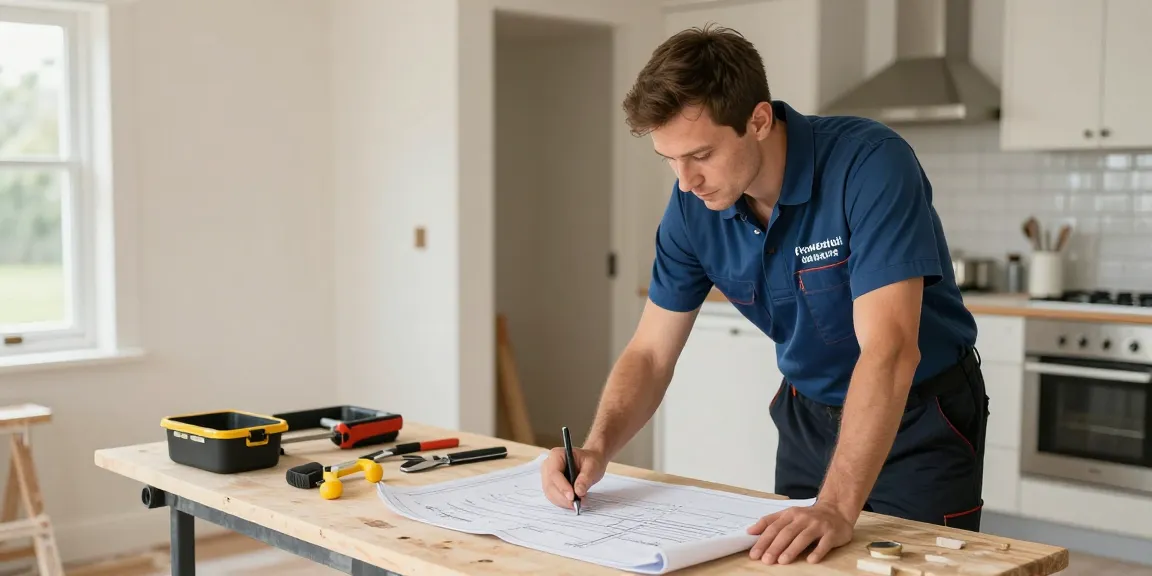
Understanding the Role of a New York City General Contractor
A New York City General Contractor serves as the backbone of construction projects, ensuring everything runs smoothly from start to finish. The bustling urban environment, characterized by skyscrapers and diverse neighborhoods, demands high-quality management and expertise. In this article, we’ll explore the key aspects of what it means to be a general contractor in the context of New York City. For those considering a construction project, understanding the role of a New York City General Contractor can provide insight into the complexities of urban building and renovation.
What is a General Contractor?
A general contractor is an individual or company responsible for overseeing a construction project, from planning to execution. They coordinate all aspects of the project, hiring subcontractors, managing schedules, and ensuring compliance with local regulations. In New York City, this role also involves navigating the unique challenges posed by the city’s landscape, such as zoning laws, building codes, and the various stakeholders involved in any development.
Key Responsibilities in Projects
A New York City general contractor wears many hats throughout a project. Key responsibilities include:
- Project Planning: This involves defining the project scope, timeline, and budget. Effective planning helps anticipate challenges and allocate resources efficiently.
- Subcontractor Management: General contractors hire and oversee subcontractors—specialized tradespeople who perform specific tasks such as plumbing, electrical work, and carpentry.
- Permits and Compliance: Navigating the myriad of permits and inspections required in NYC is crucial to ensure that the project adheres to all necessary building codes.
- Quality Control: Ensuring that the work meets required standards is vital for the project’s success and safety.
Why Local Experience Matters
Local experience significantly enhances a general contractor’s ability to manage projects effectively in New York City. This experience provides insights into:
- The local building codes and regulations that must be followed to avoid fines and delays.
- Best practices for working within the unique geographical and infrastructural characteristics of the city.
- A network of reliable subcontractors who understand the nuances of working in the area.
Questions to Ask Your New York City General Contractor
When selecting a general contractor, asking the right questions is vital for ensuring your project runs smoothly. Below are some crucial questions to consider:
Company Credentials and Experience
Understanding a contractor’s background is essential. Here are questions you might ask:
- What type of licenses do you hold, and are they valid for New York City?
- How many years of experience do you have in the New York City area?
- Can you provide examples of similar projects you’ve completed?
Project Management Processes
A clear understanding of how your contractor manages projects is important. You may want to inquire about:
- What project management tools do you utilize?
- What is your approach to handling delays and unforeseen issues?
- How often do you communicate with clients about project status?
References and Reviews
Previous client feedback is an invaluable resource. Consider asking:
- Can you provide references from past clients, ideally similar projects?
- Are there any online reviews or testimonials I can look at?
- What is your process for addressing customer complaints?
Budgeting for Your Construction Project
Setting a budget for your construction project is one of the most critical steps in the planning process. Various factors will impact your overall costs, and it’s important to understand them thoroughly.
Understanding Cost Factors
Several elements contribute to construction costs in New York City. These include:
- Labor Costs: Labor costs can vary widely based on the contractor’s reputation and the skill level of the workers.
- Material Prices: The type and quality of materials will directly affect your budget. Local suppliers may offer varying prices due to demand.
- Permit Fees: Acquiring the necessary permits can involve significant costs, especially in a regulated environment like NYC.
- Site Conditions: Unforeseen conditions, such as poor soil or underground utilities, may necessitate additional expenditure.
Creating a Realistic Budget
Creating a realistic budget involves detailed planning and consideration of all the above cost factors:
- Engage with your contractor: Collaborate with your general contractor to develop a budget that accounts for all potential costs, including contingencies.
- Research material costs: Stay informed about the price of materials to ensure your budget reflects current market conditions.
- Plan for contingencies: It’s wise to set aside additional funds (often 10-20%) as a cushion for unexpected expenses.
Finding Value Without Compromising Quality
While sticking to a budget is important, cutting corners can lead to bigger issues down the line. Look for value by:
- Comparing bids: Obtain multiple proposals from different contractors to gauge what a reasonable price for the project is.
- Prioritizing quality materials: Opt for durable materials that may cost more upfront but save on maintenance and repairs in the long run.
- Investing in experienced contractors: Hiring a reputable contractor might appear more expensive initially, but their expertise can prevent costly errors.
Essential Licenses and Insurance
Before starting your construction project, ensure that your general contractor possesses the necessary licenses and insurance. This safeguards against legal and financial complications.
Licensing Requirements in New York City
In NYC, contractors must adhere to specific licensing requirements. Key points include:
- General contractors must hold a valid Home Improvement Contractor license if conducting renovations.
- For larger projects, a Registered General Contractor license may be necessary, which often involves additional prerequisites.
- Ensuring that your contractor is licensed helps protect your interests and affirms their expertise.
Importance of Contractor Insurance
Insurance for contractors is crucial, covering potential damages and liabilities. It’s important to verify that your contractor carries:
- General Liability Insurance: Protects against third-party injury or property damage.
- Workers’ Compensation Insurance: Covers injuries sustained by workers on the site.
- Professional Liability Insurance: Shields against claims of negligence or failure to perform professional duties.
Avoiding Legal Issues in Construction
Proper licensing and insurance not only protect the contractor but also shield you, the homeowner, from costly legal disputes. Being proactive about documentation and ensuring compliance with labor laws can prevent misunderstandings and legal challenges.
What to Expect During the Construction Process
Understanding the construction process lays the groundwork for a successful outcome in your project. Each phase has its own set of expectations and timelines.
Phases of Construction
The construction process typically includes several phases:
- Pre-Construction: Involves planning, obtaining permits, and selecting subcontractors. Communication with your contractor is key during this stage.
- Construction: The actual building phase, where structures begin to take shape based on blueprints and specifications.
- Post-Construction: Includes final inspections, addressing any issues, and officially completing the project. A good contractor will ensure a comprehensive handover.
Timelines and Milestones
Establishing a timeline is critical for keeping your construction project on track. A general contractor will outline key milestones, making it essential to adhere to scheduled dates for inspections and completion of different phases. Familiarity with the sequential flow of construction helps in managing expectations and planning related activities.
Communication with Your Contractor
Effective communication is central to a successful construction project. Some best practices include:
- Regular updates: Schedule frequent check-ins to discuss project advances and any modifications needed.
- Documentation: Keep records of communications, changes, and agreements to prevent misunderstandings.
- Accessibility: Ensure that lines of communication are open and that you can contact your contractor for any pressing issues that arise during the project.
Frequently Asked Questions
What should I look for in a general contractor?
Look for experience, proper licensing, strong references, and transparent communication. It’s crucial to assess their previous work to ensure quality.
How do I get an accurate estimate?
Provide detailed plans and specifications to your general contractor. This helps ensure that estimations are realistic and comprehensive without hidden costs.
What permits do I need for my project?
The required permits depend on the project’s scope. Your contractor can guide you on the necessary permits for construction or renovation.
How often should I communicate with my contractor?
Regular communication is vital. Establish a routine for updates—weekly meetings or check-ins are ideal for discussing ongoing progress and issues.
What if problems arise during construction?
Unexpected issues can arise; a reliable contractor will address concerns promptly. Always maintain communication and document any changes to your plan.