
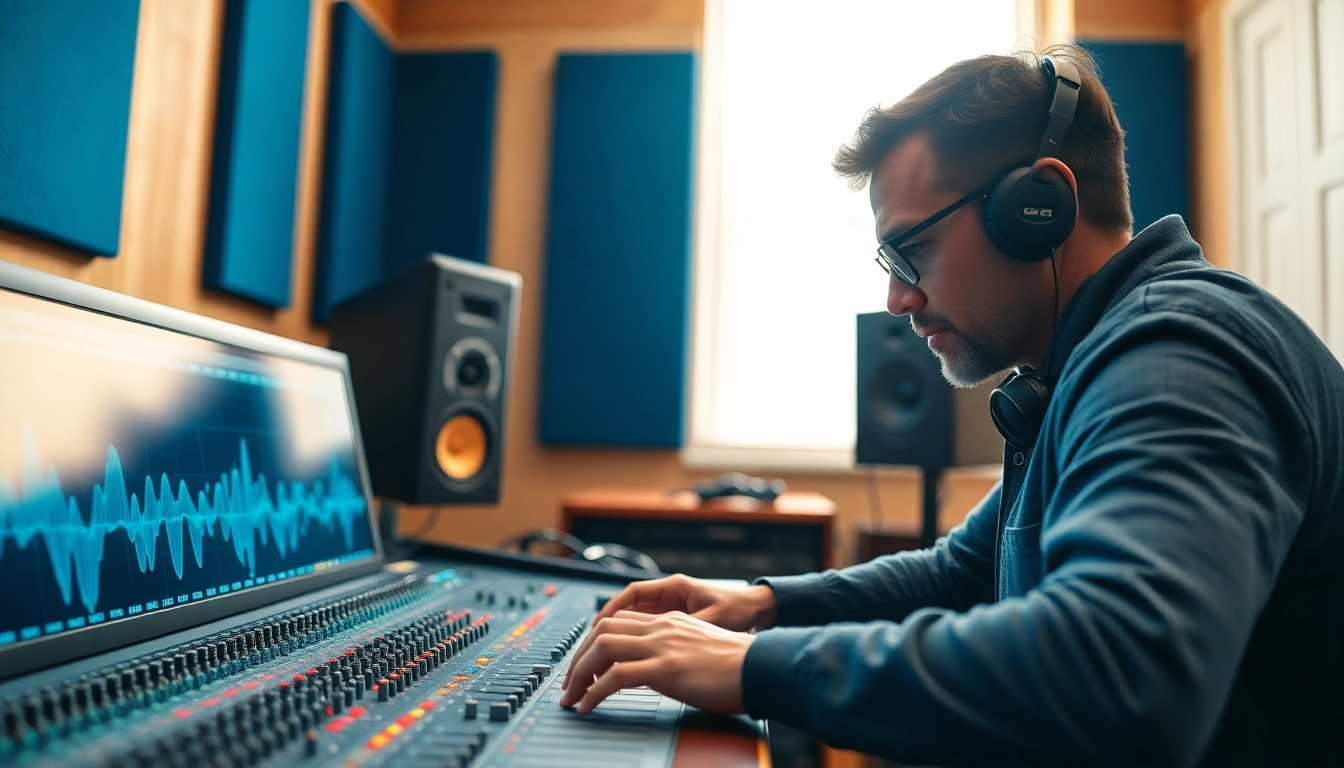
Understanding Online Audio Mastering
What is Online Audio Mastering?
Online audio mastering is a crucial final step in the music production process. It involves taking a mixed audio track and preparing it for distribution by enhancing its sound quality. This involves adjusting elements such as equalization, dynamic range, and overall loudness to ensure the track sounds polished and professional across various playback systems. The dramatic rise in digital music consumption has made online audio mastering an accessible and practical option for artists across all levels, allowing them to compete in today’s music market without the need for expensive studio time.
Key Benefits of Online Audio Mastering
There are numerous advantages to utilizing online audio mastering services. Among the most notable are:
- Convenience: Online mastering eliminates the need for physical studio appointments, allowing artists to submit their music anytime and anywhere.
- Cost-Effectiveness: Typically, online services offer competitive pricing structures that can significantly reduce overall production costs.
- Rapid Turnaround: Many online services provide quick turnarounds, often delivering mastered tracks within a few days.
- Access to Industry Professionals: Online platforms often employ experienced mastering engineers, providing access to expertise that may not be available locally.
- A Variety of Options: Many online services offer different mastering styles and techniques, giving artists the ability to choose a sound that best suits their music.
Comparing Online and Traditional Mastering Methods
While traditional mastering involves physical hardware and on-site engineers, online audio mastering leverages advanced software technologies. The choice between the two often depends on the artist’s budget, timeline, and personal preferences. Traditional mastering can provide a tactile experience and immediate feedback from an engineer; however, it often comes with significantly higher costs and logistical hurdles. In contrast, online services tend to streamline the process, and with the right provider, the quality may rival that of a traditional studio. Understanding these differences can help musicians make informed decisions about how to best achieve their audio goals.
Choosing the Right Online Audio Mastering Service
Factors to Consider When Selecting a Service
Choosing an appropriate online mastering service can greatly affect your final product. Ideal factors to consider include:
- Reputation: Research the service’s history and track record. Trustworthy services often showcase their previous clients and examples of their work.
- Technology Used: Look into the software and techniques employed by the service. Advanced tools can enhance sound quality and provide different mastering options.
- Communication: Explore whether the service offers direct communication with the mastering engineers for customized feedback and adjustments.
- Sample Tracks: Many reputable services will offer sample tracks or demos of their work, allowing you to assess their mastering quality firsthand.
- Turnaround Time: Ensure the service can meet your timeline requirements without compromising quality.
Customer Reviews and Recommendations
Reading customer reviews can provide valuable insights into the quality and reliability of an online mastering service. Seek platforms where users can share their experiences, and pay attention to feedback on factors such as quality, turnaround time, and overall customer service. Recommendations from fellow musicians or industry professionals can also guide your choice. A service that has consistently positive reviews and recommendations is often a safer bet than a lesser-known option.
Pricing Structures Explained
Pricing for online mastering services varies widely based on the specific offerings, quality of service, and additional features. Typically, services may charge per track or offer bulk pricing for albums, enticing musicians to submit multiple tracks at a reduced total cost. Some platforms provide tiered pricing, where more experienced engineers may cost more but deliver superior results. It’s crucial to understand what you are paying for and whether the cost aligns with the quality and level of expertise required for your project.
Best Practices for Preparing Your Track for Online Audio Mastering
Essential Mixing Tips
Before sending your track off for mastering, ensuring that it is appropriately mixed is vital. Here are several key mixing tips:
- Maintain Headroom: Leave sufficient headroom (around -6 dB) to avoid clipping during mastering.
- Avoid Overprocessing: Don’t apply excessive effects, as this can hinder the mastering process.
- Use Reference Tracks: Compare your mix to professionally mastered tracks in the same genre to gauge sonic quality.
- Check for Phase Issues: Ensure that elements in your mix do not phase cancel each other, which can result in loss of sound quality.
- Monitor Levels: Balancing levels across all elements ensures a cohesive mix, making the mastering process smoother.
File Formats and Specifications
When preparing files for online audio mastering, adhere to specified formats and specifications to avoid complications. Popular formats include WAV or AIFF, with a resolution of at least 24-bit. Some services may request a specific sample rate, so being aware of these details is essential for a seamless experience. Always check the submission guidelines for the service selected to ensure compliance.
Common Mistakes to Avoid in Preparation
Several common mistakes can lead to less than ideal results in online audio mastering:
- Sending Unfinished Mixes: Ensure your mix is complete before submission; otherwise, it may lead to undesirable mastering outcomes.
- Ignoring Instructions: Each service may have specific guidelines—pay strict attention to them during the submission process.
- Overusing Loudness Maximizers: Excessive loudness can degrade audio quality; leave headroom for mastering engineers to work their magic.
- Using Incomplete Tracks: Ensure that all parts of the song are present and complete in the version sent for mastering.
- Leaving Unaddressed Audio Issues: Fix any apparent issues in the mix before submission for the best mastering experience.
Maximizing Results from Online Audio Mastering
How to Communicate with Your Mastering Engineer
Effective communication with your mastering engineer is key to achieving results that meet your expectations. Provide clear instructions regarding your vision, referencing specific tracks that inspire the sound you desire. Articulating any particular elements you wish to enhance or diminish can give the engineer a framework to work within. Don’t hesitate to ask questions or seek clarifications, as a collaborative approach often leads to higher satisfaction.
Understanding Mastering Feedback and Revisions
Many mastering services offer a revision process, allowing artists to request adjustments after the initial master is delivered. Understanding how feedback works within that framework ensures you utilize it effectively. Be specific in your requests, indicating what changes you believe are necessary. Constructive feedback can lead to much-improved final products, but remember mastering is an art, and flexibility can often yield the best results.
Evaluating Your Final Master
Once you receive your final master, it’s essential to evaluate it thoroughly before distribution. Listen to the track across various playback systems, including headphones, car speakers, and studio monitors. This evaluation process reveals how well the track translates to diverse formats. Check for elements like clarity, balance, dynamics, and whether it aligns with your original vision. Taking the time to assess your master thoughtfully can serve as a foundation for your future audio projects.
Future Trends in Online Audio Mastering
Technology Advancements Shaping the Industry
The rapid advancement of technology plays a significant role in shaping the online audio mastering landscape. Innovations in AI and machine learning are streamlining the process, enabling services to analyze and master tracks with remarkable efficiency. Furthermore, emerging plug-ins equip engineers with cutting-edge tools to fine-tune audio in ways previously unimaginable. As technology continues evolving, artists can look forward to enhanced experiences and increasingly superior results.
The Rise of DIY Mastering Options
Alongside professional online mastering services, an increase in DIY mastering tools is empowering artists to take control of their audio production. Accessible software solutions provide capabilities that were once only available in high-end studios, allowing musicians to experiment with mastering techniques on their own. While DIY options can effectively achieve desired results, understanding when to seek professional services remains crucial for producing top-tier audio.
Predictions for the Audio Industry
As the music industry evolves, so too will the practices surrounding audio mastering. Expect to see a greater integration of user-friendly tools that facilitate quality audio production for artists at all levels. Additionally, expanded knowledge-sharing platforms will allow musicians to develop their mastering skills, fostering a more informed community. The focus on quality and accessibility will continue to drive the industry forward, ensuring that every artist can achieve the sound they envision.
FAQs:
- What is online audio mastering? Online audio mastering is the final process in music production, ensuring tracks are polished and ready for distribution. It involves adjusting equalization, compression, and overall sound optimization.
- How long does the online audio mastering process take? The mastering process typically takes between 1 to 3 days, depending on the service and the complexity of your tracks.
- Can I master multiple tracks at once? Yes, many online mastering services allow you to submit full albums or multiple singles for mastering at a discounted rate.
- What formats do I need to provide for mastering? Most services accept WAV or AIFF files. Ensure your files are high-resolution (24-bit or higher) and well-mixed before submission.
- Will online mastering be as good as traditional studio mastering? Quality can match or exceed traditional mastering with the right online service. It’s crucial to choose a reputable provider with experienced engineers.

